


Your Essential Guide to Buying AA Batteries Wholesale for Trade

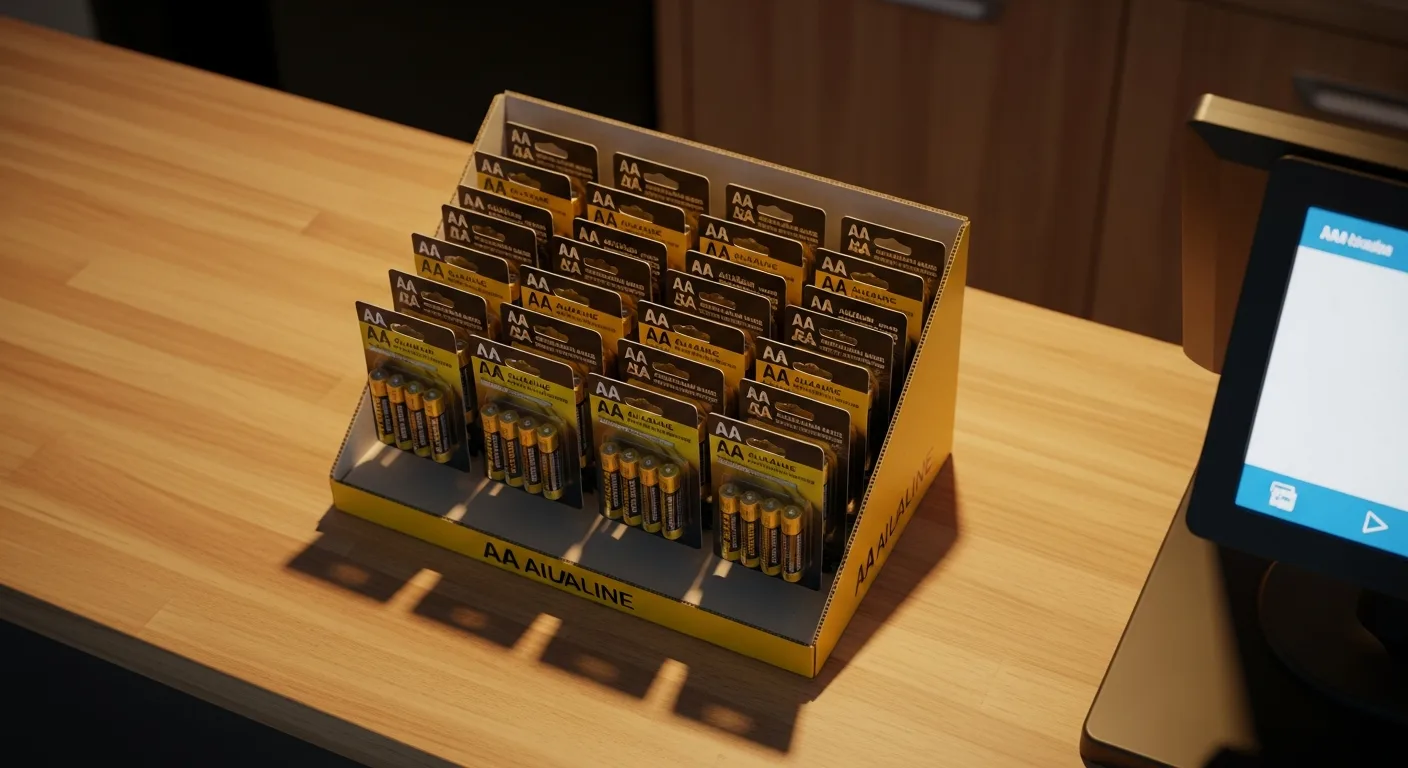
Your Essential Guide to Buying AA Batteries Wholesale for Trade
For any business operating in the UK today, understanding the nuances of procurement is paramount to efficiency and profitability. Among the myriad components and consumables required, batteries often play a silent yet critical role. The AA battery, in particular, stands out as an indispensable power source, ubiquitous across countless devices in commercial, industrial, and retail environments. From remote controls and wireless keyboards to medical devices and security equipment, the demand for reliable AA power is constant.
Sourcing AA batteries for trade, however, is not merely about finding the cheapest option. It requires a strategic approach, considering factors such as battery chemistry, brand reputation, shelf life, and the specific application needs of your organisation. As a leading UK B2B wholesale battery supplier, Battery Wholesale is committed to providing businesses with the knowledge and products necessary to make informed purchasing decisions. This comprehensive guide will navigate you through the essentials of buying bulk AA batteries, ensuring you secure optimal performance and value for your trade requirements.
Understanding AA Batteries: The Workhorse of Power
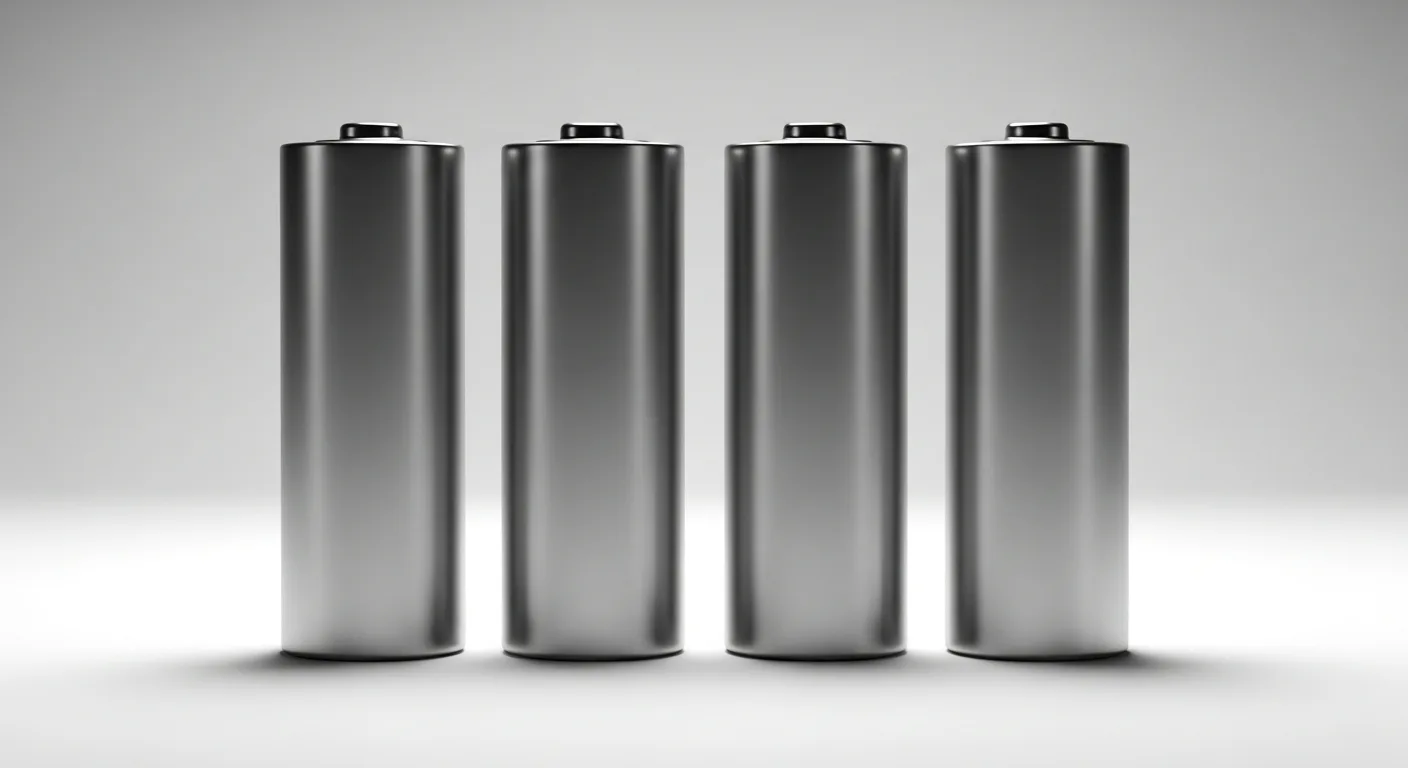
The AA battery, also known as LR6 by IEC standards or 15A by ANSI standards, is a standard size single cell cylindrical dry battery. It has a nominal voltage of 1.5 volts for alkaline and lithium variants, and 1.2 volts for rechargeable Nickel-Metal Hydride (NiMH) types. Its compact size, combined with a respectable energy density, makes it suitable for a vast array of portable electronic devices. Understanding the fundamental characteristics of AA batteries is the first step towards effective wholesale procurement.
Standardisation and Dimensions
AA batteries are universally standardised, measuring approximately 50.5 mm in length and 14.5 mm in diameter. This standardisation ensures compatibility across devices globally, a crucial aspect when managing inventory for diverse applications. Despite their uniform size, the internal chemistry and construction can vary significantly, leading to different performance characteristics.
Common Applications in Trade
The versatility of AA batteries means they are essential for numerous trade sectors. Consider:
- Hospitality: Remote controls, digital door locks, motion sensors.
- Office & IT: Wireless mice, keyboards, presentation clickers, calculators.
- Healthcare: Thermometers, blood pressure monitors, small medical devices.
- Security: Alarm sensors, CCTV remote controls, doorbells.
- Retail: Price scanners, portable payment terminals, electronic scales.
- Industrial: Test and measurement equipment, portable lighting, two-way radios.
Given this widespread usage, stocking a reliable supply of high-quality AA batteries is a strategic imperative for many businesses.
Types of AA Batteries for Wholesale
When buying AA batteries in bulk, you will primarily encounter three main chemical compositions, each with distinct advantages and disadvantages:
Alkaline AA Batteries
Alkaline batteries are the most common and cost-effective choice for general-purpose applications. They offer a good balance of capacity, shelf life, and price, making them a popular option for many businesses. They are ideal for devices with moderate to low power drain, such as clocks, remote controls, and toys.
- Voltage: 1.5V nominal.
- Shelf Life: Typically 5-10 years when stored correctly.
- Advantages: Readily available, affordable, good performance in low-drain devices.
- Disadvantages: Less suitable for high-drain devices, voltage drops over time.
Lithium AA Batteries
Lithium iron disulfide (Li-FeS2) AA batteries offer superior performance, particularly in high-drain devices and extreme temperatures. They are significantly lighter than alkaline batteries and boast an exceptionally long shelf life, making them an excellent choice for critical applications or devices used infrequently but requiring instant power.
- Voltage: 1.5V nominal.
- Shelf Life: Up to 15-20 years.
- Advantages: High capacity, lightweight, excellent performance in extreme cold, stable voltage, very long shelf life.
- Disadvantages: Higher initial cost compared to alkaline.
For specific high-performance needs, exploring lithium AA/AAA batteries can provide significant operational benefits.
Rechargeable AA Batteries (NiMH)
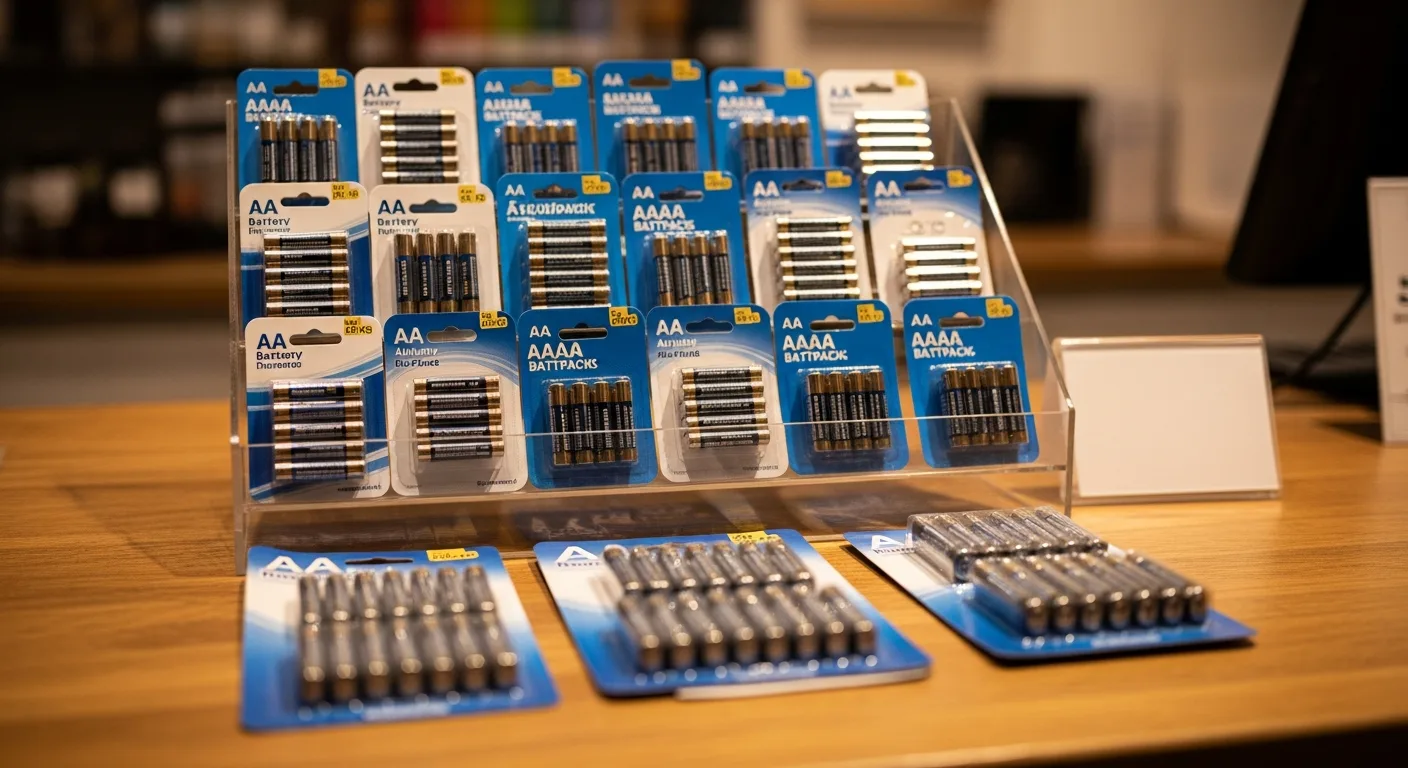
Nickel-Metal Hydride (NiMH) AA batteries are the environmentally conscious and economically smart choice for devices with high power consumption or those used frequently. While their upfront cost is higher, their ability to be recharged hundreds, if not thousands, of times offers substantial long-term savings and reduces waste.
- Voltage: 1.2V nominal.
- Cycle Life: 500-1000+ charge cycles.
- Advantages: Cost-effective over time, reduced environmental impact, good for high-drain devices.
- Disadvantages: Lower nominal voltage (1.2V), self-discharge over time (though low self-discharge versions exist), requires a charger.
Businesses with a high turnover of batteries in specific devices, such as wireless microphones or heavy-duty torches, will find rechargeable AA batteries to be an invaluable investment.
Choosing the Right Brand for Your Business
The brand of AA battery you choose can significantly impact performance, reliability, and ultimately, your operational costs. Reputable brands invest heavily in research, development, and quality control, ensuring consistent performance and safety.
Brand Reputation and Performance
Leading brands like Duracell, Energizer, Procell (Duracell’s professional line), Varta, and Panasonic are known for their quality and reliability. While generic or lesser-known brands might offer lower prices, they often come with compromises in capacity, consistency, and leakage protection, which can lead to device damage and increased replacement frequency.
For trade customers, industrial-grade batteries, such as Duracell Industrial, are specifically designed to meet the rigorous demands of professional use. They often feature enhanced leakage protection and performance optimisation for a professional environment, making them a wise investment for prolonged, heavy-duty applications.
Specific Trade Applications
Consider the specific demands of your devices. For example:
- For sensitive medical equipment, consistent voltage and leakage protection are critical, favouring premium alkaline or lithium batteries.
- For high-drain tools or frequently used devices, rechargeable NiMH batteries from a reputable brand like GP Batteries or Ansmann will offer the best long-term value.
- For emergency lighting or security sensors where long shelf life and reliability are paramount, lithium AA batteries are often the superior choice.
Factors to Consider When Buying AA Batteries in Bulk
Purchasing AA batteries wholesale is a strategic decision that goes beyond merely selecting a type and brand. Several key factors must be evaluated to ensure your procurement strategy is both efficient and cost-effective.
Pricing and Value
The primary advantage of buying bulk AA batteries is the potential for significant cost savings through volume discounts. However, always consider the cost-per-unit in relation to battery performance and expected lifespan. A slightly higher unit cost for a premium battery might offer better long-term value if it lasts longer, performs more reliably, or prevents costly device damage.
Shelf Life and Storage
Batteries have a finite shelf life. Alkaline AA batteries typically maintain their charge for 5-10 years, while lithium variants can last 15-20 years. Rechargeable batteries, even when not in use, will slowly self-discharge. When purchasing in bulk, it is crucial to consider your consumption rate and ensure that your inventory management allows for batteries to be used within their optimal shelf life. Proper storage in a cool, dry place, away from direct sunlight and extreme temperatures, is essential to maximise longevity. Utilising battery storage boxes can help organise and protect your stock.
Environmental Considerations and Disposal
As a responsible business, considering the environmental impact of battery consumption is important. While standard alkaline batteries can often be disposed of with general waste in the UK, many local authorities and retailers offer battery recycling points. Rechargeable batteries significantly reduce waste over their lifespan. When buying in bulk, plan for responsible disposal or recycling of spent batteries.
Supplier Reliability and Service
Choosing a reliable wholesale supplier is as important as choosing the right battery. A good supplier will offer:
- Consistent Stock: Ensuring you never run out of essential power.
- Competitive Pricing: Offering genuine wholesale rates.
- Efficient Logistics: Timely and accurate delivery to your premises.
- Expert Advice: Guidance on battery types and applications.
- Customer Support: Responsive and helpful service for any queries or issues.
Optimising Your Wholesale AA Battery Procurement
To truly maximise the benefits of buying AA batteries in bulk, consider these strategic approaches:
Forecasting Demand
Accurate demand forecasting is key to efficient inventory management. Analyse your historical consumption data, consider seasonal variations, and anticipate any new device rollouts that might increase your AA battery needs. This will help you avoid both overstocking (tying up capital and risking expired batteries) and understocking (leading to operational disruptions).
Leveraging Bulk Discounts
Wholesale pricing models often favour larger orders. Work with your supplier to understand their tiered pricing structures and identify the optimal order quantity that balances cost savings with your storage capacity and consumption rate. Remember, the cheapest price isn’t always the best value if it means compromising on quality or shelf life.
Implementing Quality Control
Even with reputable brands, it’s good practice to implement basic quality control upon receipt of large shipments. Check packaging for damage and ensure product codes and expiry dates are visible and correct. For critical applications, consider using battery testers to verify charge levels before deployment, though new, reputable batteries rarely require this.
Building Long-Term Supplier Relationships
Developing a strong, long-term relationship with a trusted wholesale battery supplier like Battery Wholesale offers numerous advantages. It can lead to better terms, priority access to new stock, and personalised service tailored to your business’s evolving needs. A reliable partner is invaluable for maintaining a smooth and efficient supply chain.
Conclusion
The AA battery, while seemingly a minor component, is fundamental to the smooth operation of countless devices across diverse industries. For UK trade businesses, a well-thought-out wholesale procurement strategy for these essential power cells is not just about cost reduction, but about ensuring operational continuity, device longevity, and ultimately, business efficiency. By understanding the different battery types, choosing reputable brands, and considering critical factors like shelf life, storage, and supplier reliability, you can make informed decisions that benefit your organisation in the long run.
At Battery Wholesale, we specialise in providing high-quality, reliable AA batteries in bulk to meet the varied demands of the trade sector. We invite you to explore our extensive range of AA batteries and other power solutions, designed to power your business effectively and affordably. Partner with us for your wholesale battery needs and experience the difference that quality products and expert service can make. Visit batterywholesale.co.uk today to view our full catalogue and discuss your specific requirements.
 AA Batteries
 AAA Batteries
 AAAA Batteries
 Lithium AA AAA Batteries
 Button Cell Batteries
 C BATTERIES
 CR2 Batteries
 CR2025 Batteries
 CR123A Batteries
 CR2032 Batteries
 CR2016 Batteries
 D Batteries
 9V Batteries
 6LR61 Batteries
 Lithium Coin Batteries
 Lithium CR1/2AA Batteries
 Lithium CR123, CR123A & CR2 Batteries
 LR1 Clock Batteries
 LR44 Batteries
 LITHIUM 9V PP3 Batteries
 N LR1 Batteries
 Specialist Size Batteries
 Bulk 9V Batteries
 Bulk AA Batteries
 Bulk AAA Batteries
 Bulk C Batteries
 Bulk D Batteries
 Baby Monitor Batteries
 Camera LITHIUM Batteries
 Car Alarm Key Fob Battery
 Car Key Batteries
 Cordless Phone Batteries
 Rechargeable AA Batteries
 Rechargeable AAA Batteries
 Rechargeable C Batteries
 Rechargeable D Batteries
 Rechargeable 18650 Li-ion Batteries
 Rechargeable Batteries for House Phones
 Rechargeable 9V Batteries
 Rechargeable Li-polymer 9V AA Batteries & Chargers
 Rechargeable Solar Light Batteries
 Standard Rechargeable Batteries
 Rechargeable Batteries for Garden Solar Lights
 Cordless Phone Batteries AAA NIMH
 High Capacity Rechargeable Batteries
 Precharged Rechargeable Batteries
 Idect Rechargeable 2/3AAA Batteries
 Battery Storage Boxes
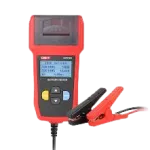 Battery Testers
 Phone Chargers
 USB Chargers & Adaptors
 USB Charging Cables
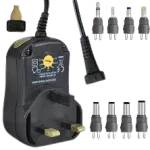 Universal Power Supplies AC/DC Mains Adaptors