


Maximising Retail Profit: Strategic Battery Pricing for Trade Buyers

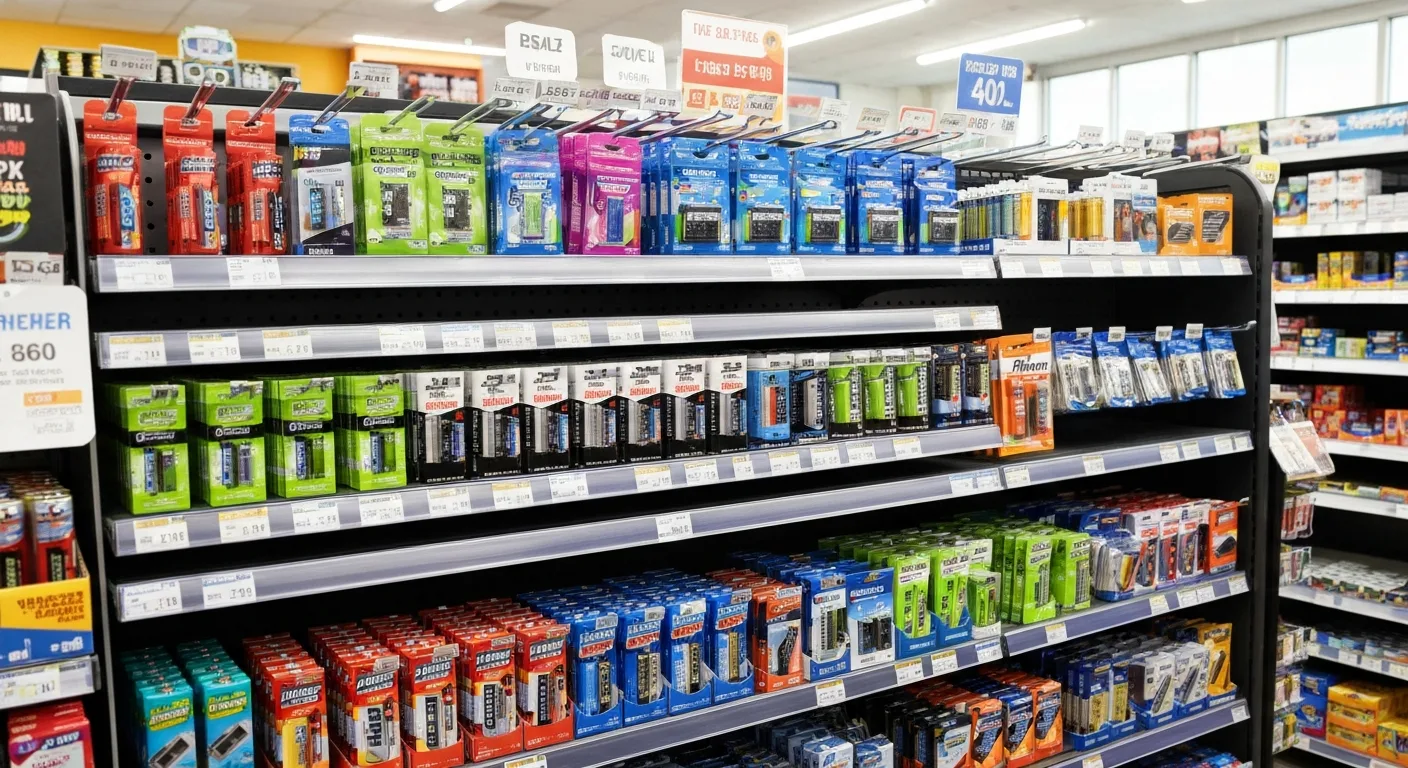
Maximising Retail Profit: Strategic Battery Pricing for Trade Buyers
For any retail business, effective pricing is not merely about covering costs; it is a sophisticated art and science that directly impacts profitability, customer perception, and market share. As a trade buyer of batteries, understanding and implementing strategic pricing models is paramount to ensuring your shelves are not only stocked with essential power solutions but are also generating healthy retail margins. At Battery Wholesale, we specialise in supplying high-quality batteries to the UK trade, and we understand that your success is intrinsically linked to your ability to price competitively and profitably.
This comprehensive guide delves into the core advice for pricing your batteries for retail profit. We will explore various factors, strategies, and considerations that will empower you to make informed pricing decisions, attract your target customers, and ultimately boost your bottom line. From understanding your true costs to leveraging market dynamics, mastering battery pricing is a key differentiator in today’s competitive retail landscape.
Setting the right price for products like AA batteries, AAA batteries, or even specialised CR2032 batteries involves more than just adding a percentage to your wholesale cost. It requires a holistic view of your business, your customers, and the broader market. This guide is designed to provide you with the actionable insights you need to turn your battery stock into a consistent and robust revenue stream.
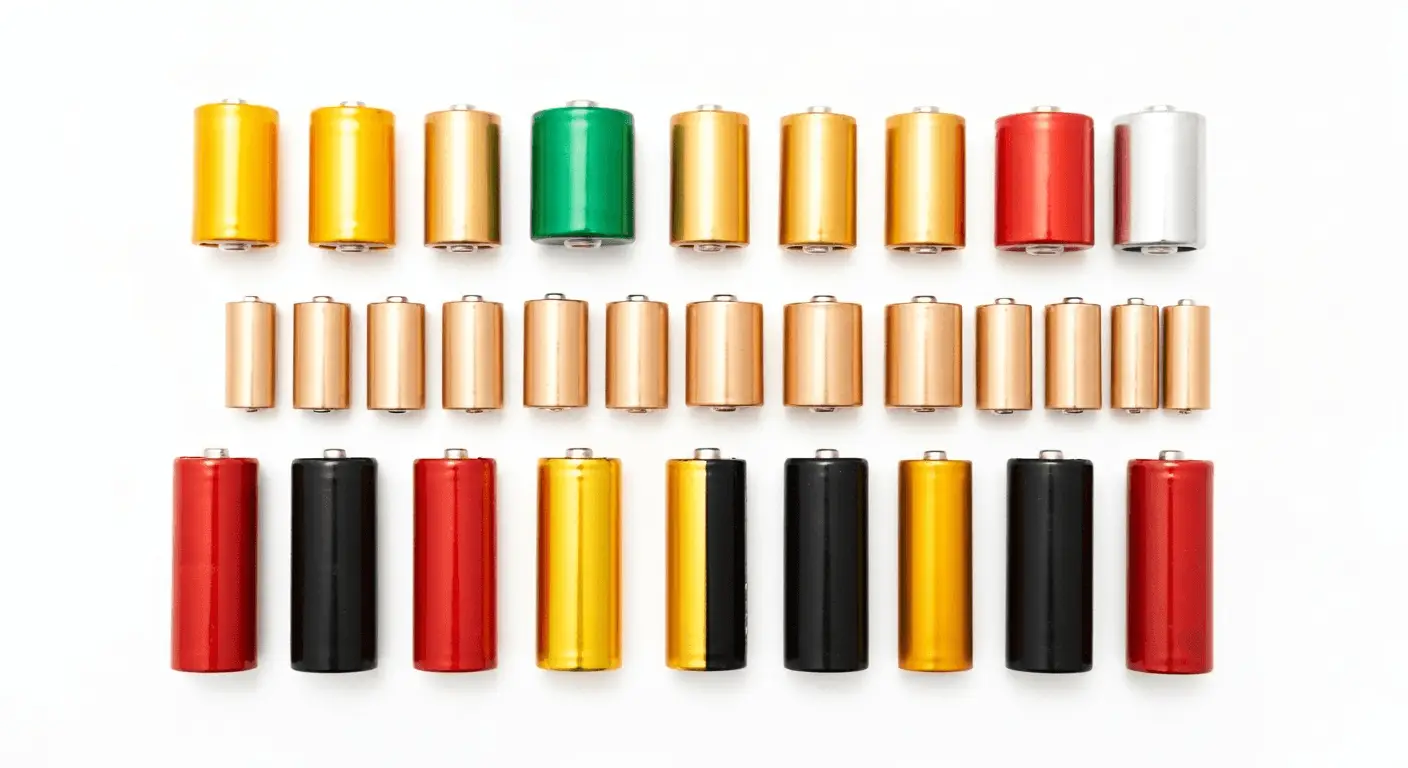
Understanding Your True Costs: The Foundation of Profitability
Before you can even begin to think about retail pricing, you must have a crystal-clear understanding of all the costs associated with acquiring, storing, and selling your batteries. This forms the bedrock of any profitable pricing strategy.
Wholesale Purchase Price
This is your primary cost. It is the price you pay to your wholesale supplier for each unit or pack of batteries. When purchasing from Battery Wholesale, consider the benefits of bulk AA batteries or other bulk options, as larger quantities often come with better unit pricing, directly impacting your potential margin.
Overhead Costs
These are the indirect costs of doing business that must be allocated across your product range. For batteries, these might include:
- Storage: Rent for your retail space or warehouse, utilities, insurance.
- Shipping and Handling: Costs associated with receiving your wholesale orders, including any delivery fees or internal logistics.
- Labour: Wages for staff involved in unpacking, stocking, merchandising, and selling batteries.
- Marketing and Display: Costs for point-of-sale materials, signage, or any promotional activities specific to batteries.
- Payment Processing Fees: The charges incurred for credit card transactions or other payment methods.
Accurately calculating these overheads and attributing a proportion to each product line, or even per battery unit, is vital for understanding your true cost per item. Without this, your gross profit margin may look healthy, but your net profit could be negligible or even negative.
Shrinkage and Waste
Consider potential losses from theft, damage, or expired stock. While batteries typically have a long shelf life, it is a factor, especially for less common types. Factor a small percentage into your cost calculations to absorb these inevitable losses.
Setting Your Desired Margin: Gross vs. Net Profit
Once you have a firm grasp of your costs, the next step is to determine your desired profit margin. This is often expressed as a percentage of the selling price or the cost price.
Gross Profit Margin
This is the revenue from sales minus the cost of goods sold (COGS). For batteries, COGS is primarily your wholesale purchase price. A healthy gross margin is essential, but it does not account for your overheads.
Net Profit Margin
This is the true measure of your profitability: revenue minus all costs, including COGS and overheads. Your pricing strategy should always aim for a sustainable net profit margin.
Industry average margins for batteries can vary significantly. Commodity batteries like AAA batteries might have lower percentage margins but sell in high volumes. Conversely, specialist batteries, such as certain camera batteries or CR123A batteries, might command higher percentage margins due to their niche demand and perceived value.
Core Pricing Strategies for Retail Success
There are several tried-and-tested pricing strategies you can employ, often in combination, to achieve your profit goals.
1. Cost-Plus Pricing
This is the simplest method: you take your total cost per unit and add a fixed percentage markup to arrive at the selling price. While straightforward, it does not always consider market demand or competitor pricing. It is a good starting point but rarely sufficient on its own.
2. Competitive Pricing
This strategy involves setting your prices based on what your competitors are charging. If you are selling popular brands like Duracell or Energizer, you will need to be keenly aware of competitor pricing, both local and online. You might choose to:
- Match competitor prices: To remain competitive, especially for high-volume, low-margin items.
- Undercut competitor prices: To gain market share, but be cautious not to erode your margins too much.
- Price above competitors: Justified if you offer superior service, convenience, or a unique selling proposition.
3. Value-Based Pricing
Here, prices are set based on the perceived value of the battery to the customer, rather than solely on cost. For instance, customers might be willing to pay a premium for long-lasting lithium AA/AAA batteries or reliable rechargeable batteries that offer environmental benefits and long-term savings. High-performance or specialist batteries often lend themselves well to value-based pricing.
4. Psychological Pricing
This involves setting prices that appeal to consumer psychology. Examples include:
- Charm Pricing: Ending prices with .99 or .95 (e.g., £3.99 instead of £4.00), which makes the price appear lower.
- Prestige Pricing: Setting a higher price to convey quality or exclusivity, sometimes used for premium brands or specialist 9V batteries.
5. Bundle Pricing and Multi-Buy Offers
Selling multiple batteries together at a slightly reduced price compared to buying them individually can increase the average transaction value. For example, offering a 4-pack of AA batteries at a better per-unit price than a 2-pack. This strategy is particularly effective for high-demand items.

Market Analysis and Competitor Benchmarking
Regularly reviewing the market and your competitors is not an optional extra; it is a continuous necessity. The battery market is dynamic, with new products, technologies, and pricing pressures emerging constantly.
Local vs. Online Competitors
Consider both your physical neighbours and online retailers. Customers often compare prices quickly using their smartphones. While you might not always be able to match online giants on price, you can compete on convenience, immediate availability, and personalised service.
Price Matching vs. Differentiation
Decide your stance. Are you a price leader, a price follower, or do you differentiate on other factors? For instance, perhaps you stock a wider range of button cell batteries than your competitors, or you offer superior advice on rechargeable AA batteries, justifying a slightly different price point.
Seasonal and Event-Based Pricing
Demand for batteries can fluctuate. During peak seasons like Christmas, when toys and gadgets are prevalent, or around major events, you might see increased demand for common sizes. Conversely, you might use promotional pricing or clearance batteries to move slower-selling stock or capitalise on specific sales events.
Customer Perception and Value
Your pricing strategy must align with how your customers perceive your brand and the value you offer. Value is not just about the lowest price; it encompasses quality, convenience, reliability, and service.
Brand Perception and Quality
Customers often associate certain brands with higher quality and reliability. For instance, a customer might expect to pay more for a Duracell battery than for a generic alternative. Recognising these brand hierarchies allows for differentiated pricing across your product range.
Convenience Factor
The convenience of an impulse purchase can sometimes justify a slightly higher price. Batteries are often bought when needed urgently. Being readily available, well-stocked, and easily accessible can add perceived value.
Service and Support
If your retail business offers excellent customer service, knowledgeable staff, or convenient returns, these factors can justify a premium. Customers are often willing to pay a little more for a superior shopping experience.
Dynamic Pricing and Adjustments
Pricing is not a set-it-and-forget-it task. It requires continuous monitoring and adjustment based on various internal and external factors.
Monitoring Sales Data
Regularly analyse which battery types are selling well at which price points. Are your C batteries moving slowly? Perhaps a small price adjustment or a multi-buy offer could stimulate sales. Are D batteries flying off the shelves? You might have room to slightly increase the price without impacting volume.
Responding to Market Changes
Be prepared to react to changes in wholesale costs, competitor pricing, or shifts in consumer demand. Flexibility in your pricing strategy is crucial for long-term profitability.
Promotions and Discounts
Strategic use of promotions, such as temporary discounts or bundle deals, can help clear old stock, attract new customers, or boost sales during quieter periods. However, use them judiciously to avoid devaluing your products in the long run.
Leveraging Your Wholesale Partner for Better Profitability
Your relationship with your wholesale battery supplier, such as Battery Wholesale, can significantly impact your retail profitability. We are here to support your business success.
Bulk Buying Discounts
As mentioned, purchasing bulk AA batteries, bulk AAA batteries, or other high-demand sizes in larger quantities almost always results in a lower unit cost. This directly translates to higher potential retail margins for you.
Access to Special Offers and Sale Batteries
Stay informed about any special promotions or clearance deals offered by your wholesaler. These opportunities allow you to acquire stock at an even lower cost, providing greater flexibility in your retail pricing and potential for increased profit.
Product Knowledge and Support
A knowledgeable wholesale partner can provide valuable insights into product trends, best-selling lines, and technical specifications, which can inform your pricing strategy. For example, understanding the specific applications for car key batteries like the CR2032 can help you position and price them effectively.
Conclusion
Pricing your batteries for retail profit is a multifaceted challenge that requires a blend of analytical rigour, market awareness, and strategic thinking. By thoroughly understanding your costs, carefully setting your desired margins, employing diverse pricing strategies, and continuously monitoring the market, you can ensure your battery sales are a consistent and significant contributor to your overall business profitability.
At Battery Wholesale, we are committed to providing our trade buyers with not only a vast selection of high-quality batteries but also the resources and competitive pricing necessary for your retail success. We encourage you to review your pricing strategies regularly, adapt to market conditions, and leverage the support of your wholesale partner to maximise your retail margins.
Ready to optimise your battery stock and boost your retail profits? Explore our extensive range of wholesale batteries and take advantage of our competitive trade pricing by visiting batterywholesale.co.uk today.
 AA Batteries
 AAA Batteries
 AAAA Batteries
 Lithium AA AAA Batteries
 Button Cell Batteries
 C BATTERIES
 CR2 Batteries
 CR2025 Batteries
 CR123A Batteries
 CR2032 Batteries
 CR2016 Batteries
 D Batteries
 9V Batteries
 6LR61 Batteries
 Lithium Coin Batteries
 Lithium CR1/2AA Batteries
 Lithium CR123, CR123A & CR2 Batteries
 LR1 Clock Batteries
 LR44 Batteries
 LITHIUM 9V PP3 Batteries
 N LR1 Batteries
 Specialist Size Batteries
 Bulk 9V Batteries
 Bulk AA Batteries
 Bulk AAA Batteries
 Bulk C Batteries
 Bulk D Batteries
 Baby Monitor Batteries
 Camera LITHIUM Batteries
 Car Alarm Key Fob Battery
 Car Key Batteries
 Cordless Phone Batteries
 Rechargeable AA Batteries
 Rechargeable AAA Batteries
 Rechargeable C Batteries
 Rechargeable D Batteries
 Rechargeable 18650 Li-ion Batteries
 Rechargeable Batteries for House Phones
 Rechargeable 9V Batteries
 Rechargeable Li-polymer 9V AA Batteries & Chargers
 Rechargeable Solar Light Batteries
 Standard Rechargeable Batteries
 Rechargeable Batteries for Garden Solar Lights
 Cordless Phone Batteries AAA NIMH
 High Capacity Rechargeable Batteries
 Precharged Rechargeable Batteries
 Idect Rechargeable 2/3AAA Batteries
 Battery Storage Boxes
 Battery Testers
 Phone Chargers
 USB Chargers & Adaptors
 USB Charging Cables
 Universal Power Supplies AC/DC Mains Adaptors